Plumbing Line Repair in Denver, CO
Plumbing line repair services address issues related to damaged or deteriorating pipes within a property’s plumbing system. These repairs may involve fixing leaks, replacing sections of corroded or cracked pipes, or addressing blockages caused by buildup or debris. Property owners often request this service when experiencing low water pressure, frequent leaks, or signs of water damage, and it covers projects ranging from minor patch-ups to extensive pipe replacements in both residential and commercial settings.
Before requesting plumbing line repair, property owners should understand the location and extent of the problem, including whether the issue is isolated or widespread. It’s also helpful to consider the age and material of existing pipes, as older systems may be more prone to damage and require more comprehensive repairs. Accurate information about the symptoms and history of plumbing issues can assist in determining the appropriate scope of work and ensure the most effective solution.
Many property owners in Denver, CO look into Plumbing Line Repair for repairs, replacements, upgrades, and appearance-related improvements.
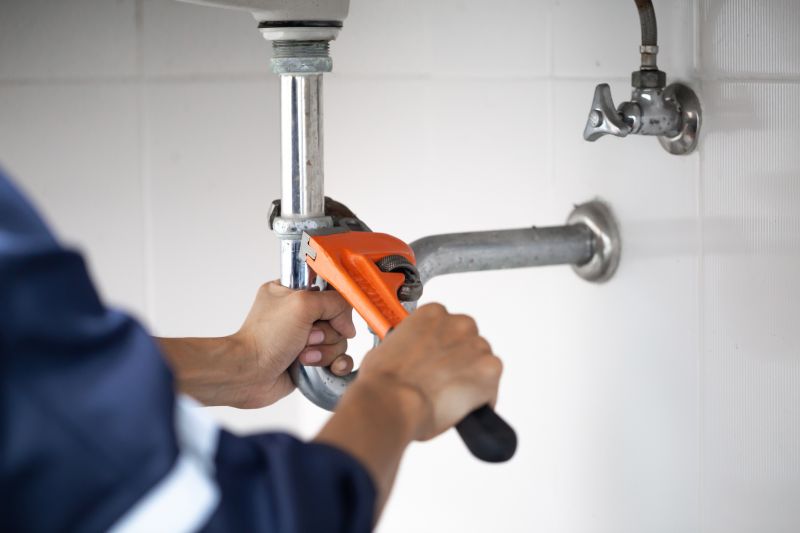
Signs Of Plumbing Line Issues
Leaks, low water pressure, or strange odors may indicate a plumbing line problem.
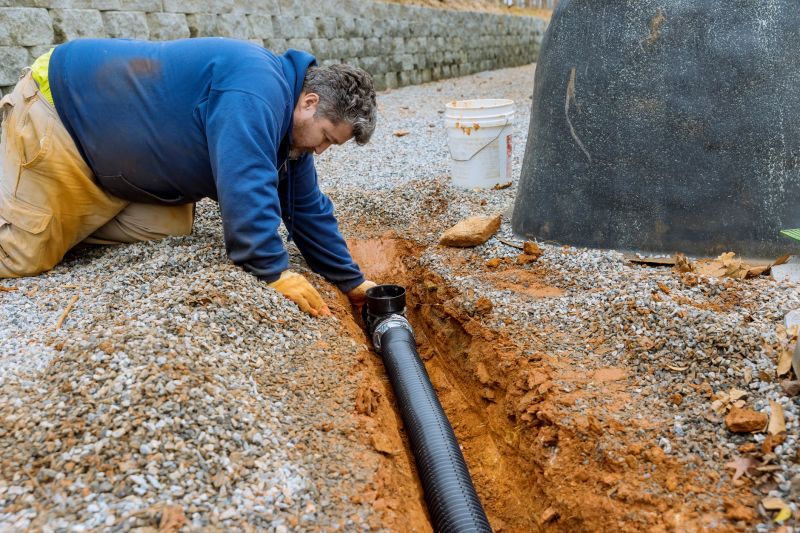
Common Repair Solutions
Repairs often involve replacing damaged pipes, sealing leaks, or clearing blockages.
Preventive Maintenance Tips
Regular inspections and timely repairs can help avoid costly plumbing line emergencies in denver homes.
Plumbing Line Repair in Denver, CO
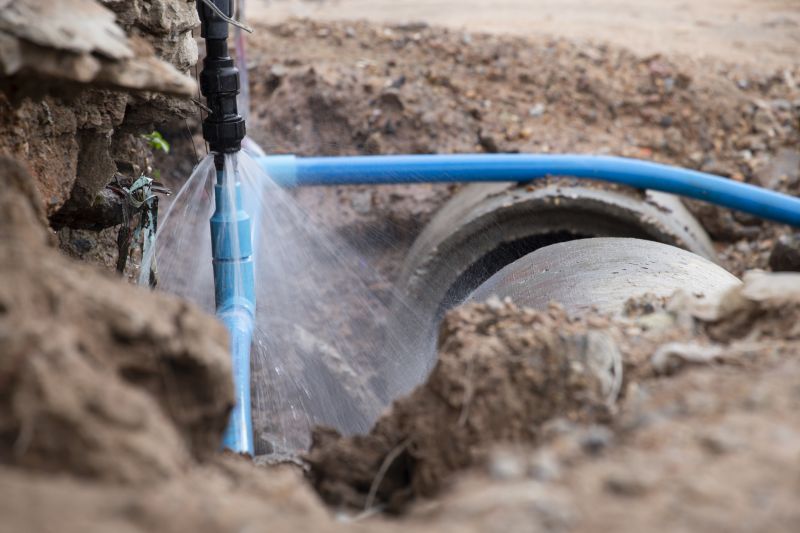
Plumbing line repair services address issues related to damaged or deteriorating pipes within a property’s plumbing system. These repairs may involve fixing leaks, replacing sections of corroded or cracked pipes, or addressing blockages caused by buildup or debris. Property owners often request this service when experiencing low water pressure, frequent leaks, or signs of water damage, and it covers projects ranging from minor patch-ups to extensive pipe replacements in both residential and commercial settings.
Before requesting plumbing line repair, property owners should understand the location and extent of the problem, including whether the issue is isolated or widespread. It’s also helpful to consider the age and material of existing pipes, as older systems may be more prone to damage and require more comprehensive repairs. Accurate information about the symptoms and history of plumbing issues can assist in determining the appropriate scope of work and ensure the most effective solution.
Many property owners in Denver, CO look into Plumbing Line Repair for repairs, replacements, upgrades, and appearance-related improvements.
Common Plumbing Line Repair Jobs
Leaking Pipe Repairs - addressing drips and leaks to prevent water damage and reduce utility bills.
Pipe Replacement - upgrading old or damaged pipes to ensure reliable water flow.
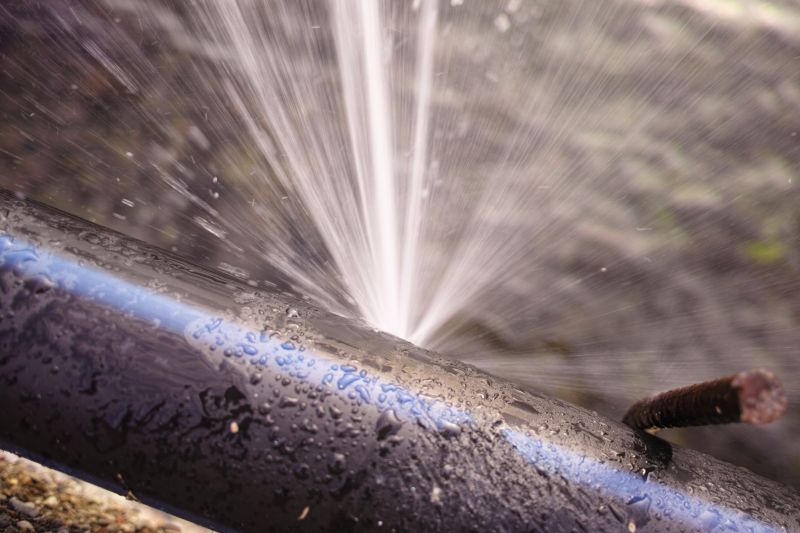
Burst Pipe Repair - fixing sudden pipe bursts to minimize flooding and property damage.
Clogged Line Clearing - removing blockages to restore proper drainage and prevent backups.
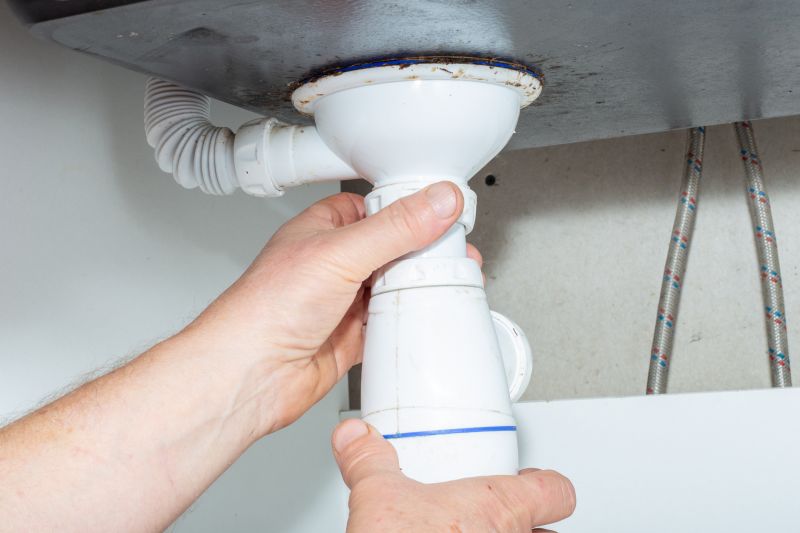
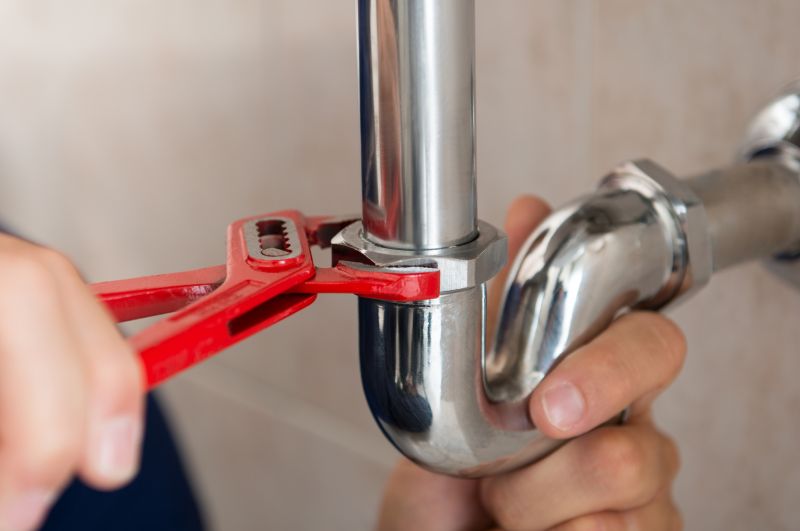
Fixture Line Repairs - repairing or replacing damaged supply lines to sinks, toilets, and appliances.
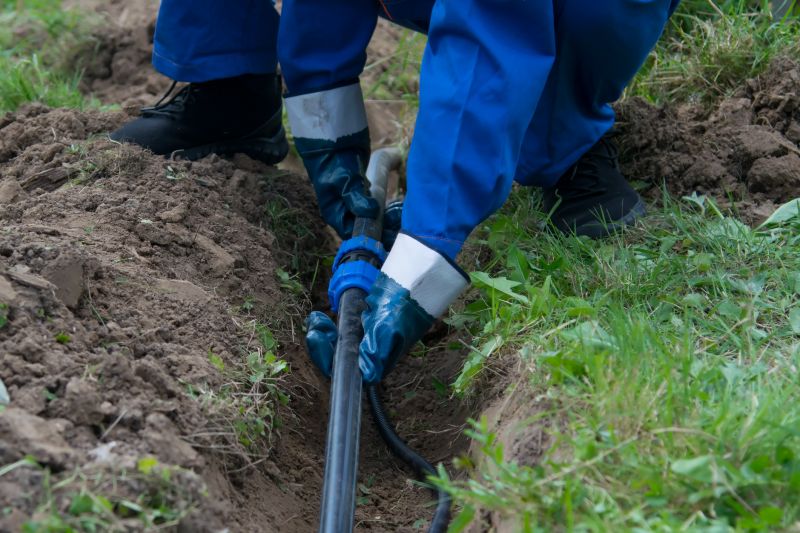
Underground Pipe Repairs - locating and fixing leaks in hidden or buried pipes to prevent future issues.
Plumbing Line Repair Questions
What are common signs of a damaged plumbing line? Signs include persistent leaks, low water pressure, unusual odors, or visible water pooling around the property.
Can a damaged plumbing line cause water damage? Yes, a broken or leaking line can lead to water damage and mold growth if not addressed promptly.
What types of plumbing line repairs are typically needed? Repairs often involve replacing sections of pipe, sealing leaks, or fixing corroded or burst lines.
Is it necessary to replace entire plumbing lines? Replacement depends on the extent of damage; some issues can be fixed with targeted repairs, while extensive damage may require full replacement.
Request Plumbing Line Repair in Denver, CO
Use the quote form on this page to share the basics of your project and request more information for the type of work you need.